
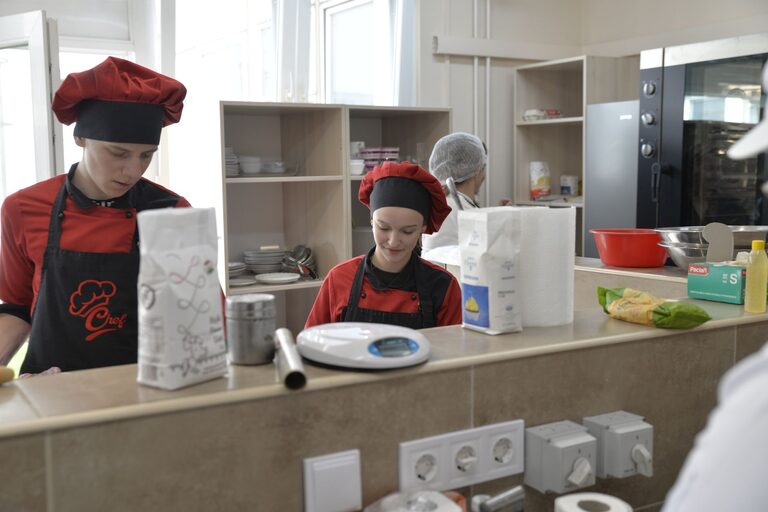
Culinary education has traditionally combined classroom lessons with cooking labs. Today, more schools are adding another important element: hands-on apprenticeship programs created with local restaurants.
These partnerships give students the opportunity to learn in active professional kitchens while continuing their formal studies. They also help restaurants introduce promising talent to their teams, develop future employees, and strengthen connections with the local education community.
When designed carefully, a culinary apprenticeship can benefit students, schools, restaurants, and diners alike.
What Is a Culinary Apprenticeship?
A culinary apprenticeship is a structured training program that combines guided work experience with classroom instruction. Students usually spend part of their time at a culinary school and part of their time working in a participating restaurant.
Unlike a short internship, an apprenticeship often follows a planned progression. Students may begin with basic kitchen responsibilities and gradually take on more advanced tasks as they build skills and confidence.
A typical program may include:
– Food preparation and knife skills
– Kitchen safety and sanitation
– Cooking methods and recipe execution
– Inventory and ingredient storage
– Station organization
– Menu preparation
– Customer service and communication
– Teamwork and time management
– Basic cost and waste awareness
The goal is not simply to place students in a kitchen. It is to create a learning experience with clear expectations, regular feedback, and opportunities for growth.
Why Schools Are Partnering With Restaurants
Culinary schools provide a strong foundation in cooking techniques, food safety, nutrition, and kitchen organization. However, a classroom or teaching kitchen cannot fully reproduce the pace and variety of a working restaurant.
Restaurant partnerships help close that gap. Students can see how lessons apply during a busy service, when cooks must communicate clearly, manage several tasks, and maintain consistent standards.
These partnerships also allow schools to keep their programs connected to current industry practices. Restaurant chefs can share insight into changing customer preferences, new equipment, evolving menus, and the skills employers value most.
For schools, the benefits may include:
– More practical learning opportunities
– Stronger relationships with local employers
– Better understanding of workforce needs
– Additional mentoring for students
– Improved job placement support
– New opportunities for curriculum development
Restaurant partners can also help schools identify which technical and workplace skills should receive greater attention in the classroom.
What Restaurants Gain From the Partnership
Restaurants often face the challenge of finding and retaining trained kitchen employees. Working with a culinary school can create a more organized way to introduce students to the business.
Apprentices arrive with some foundational knowledge, while restaurant staff provide real-world coaching. This arrangement can help restaurants identify individuals who show reliability, curiosity, and a strong interest in the work.
Restaurants may benefit from:
– A pipeline of developing culinary talent
– More consistent training processes
– Support from school instructors
– Opportunities to shape future employees
– Greater visibility in the local community
– Stronger connections with hospitality programs
An apprenticeship should not be viewed as a replacement for regular staff. Instead, it works best as a supervised learning arrangement that adds value to the restaurant while giving students meaningful experience.
How a Successful Program Is Structured
The strongest programs begin with a written plan. Schools and restaurants should agree on the program’s purpose, schedule, responsibilities, and evaluation process before students enter the workplace.
Set Clear Learning Goals
Students should know what they are expected to learn during each stage of the apprenticeship. Early goals might include safe knife handling, station setup, basic preparation, and proper cleaning procedures.
Later goals may involve cooking proteins, preparing sauces, assisting with menu development, or coordinating tasks during service.
Clear goals help students measure progress and help supervisors provide specific feedback.
Assign a Dedicated Mentor
Each apprentice should have a designated workplace mentor. This person does not need to handle every part of the student’s training, but they should monitor progress and serve as a reliable point of contact.
A mentor can explain procedures, demonstrate techniques, answer questions, and help the apprentice understand how individual tasks support the entire kitchen operation.
Create a Gradual Skills Plan
Students should not be expected to master every station immediately. A gradual plan can introduce responsibilities in a logical order.
For example, an apprentice might progress through:
- Orientation and safety procedures
- Cleaning, storage, and kitchen organization
- Basic preparation work
- Support for a specific station
- Supervised cooking tasks
- Participation in service
- Advanced preparation or leadership activities
This structure reduces confusion and gives students a clear sense of achievement.
Schedule Regular Reviews
Short, consistent reviews are more useful than a single evaluation at the end of the program. Schools and restaurants can meet weekly or monthly to discuss attendance, technical skills, teamwork, and areas for improvement.
Feedback should be practical and respectful. Students need to understand both what they are doing well and what they should practice next.
Challenges to Consider
Although culinary apprenticeships offer many benefits, they also require careful coordination. Restaurants operate under pressure, and students may need time to adjust to the speed and expectations of a professional kitchen.
Common challenges include:
– Conflicting school and work schedules
– Differences in restaurant procedures
– Limited time for instruction during busy service
– Uneven student preparation
– Communication gaps between instructors and supervisors
– Difficulty balancing learning with daily production needs
Schools can help by preparing students for workplace expectations before the apprenticeship begins. This preparation may include lessons on punctuality, professional communication, dress standards, teamwork, and handling feedback.
Restaurants can help by identifying tasks that are appropriate for an apprentice’s experience level and by avoiding unclear or constantly changing expectations.
Supporting a Positive Learning Environment
A strong apprenticeship is built on respect. Students should be treated as developing professionals, not simply as extra labor. At the same time, apprentices must understand that professional kitchens require focus, accountability, and cooperation.
A positive learning environment includes:
– Clear instructions
– Safe working conditions
– Reasonable supervision
– Constructive feedback
– Opportunities to ask questions
– Recognition of progress
– Respectful communication among team members
When students feel supported, they are more likely to stay engaged and build confidence. Restaurants also benefit when apprentices become comfortable communicating with cooks, chefs, servers, and managers.
Measuring Program Success
Schools and restaurants can evaluate an apprenticeship by looking beyond the number of students placed in jobs. Useful measures may include:
– Skill improvement over time
– Student attendance and completion rates
– Employer satisfaction
– Student satisfaction
– Progress toward industry certifications
– Continued employment after graduation
– Improvements to the partnership itself
Surveys, performance checklists, instructor observations, and mentor feedback can provide a balanced picture of the program.
The most effective partnerships treat evaluation as an ongoing process. If a schedule creates problems or a training goal is unclear, the partners can adjust the program for future participants.
Building the Next Generation of Culinary Professionals
Culinary school and restaurant partnerships connect education with daily professional practice. Students gain experience that cannot be fully learned from textbooks, while restaurants gain a structured way to support emerging talent.
The success of these programs depends on planning, communication, mentorship, and shared expectations. When schools and restaurants work together, apprentices can develop technical skills, workplace confidence, and a clearer understanding of the many roles available in the food service industry.
For students considering a culinary career, an apprenticeship can be an important first step. For schools and restaurants, it can be a practical way to strengthen local talent and create a more connected culinary community.