
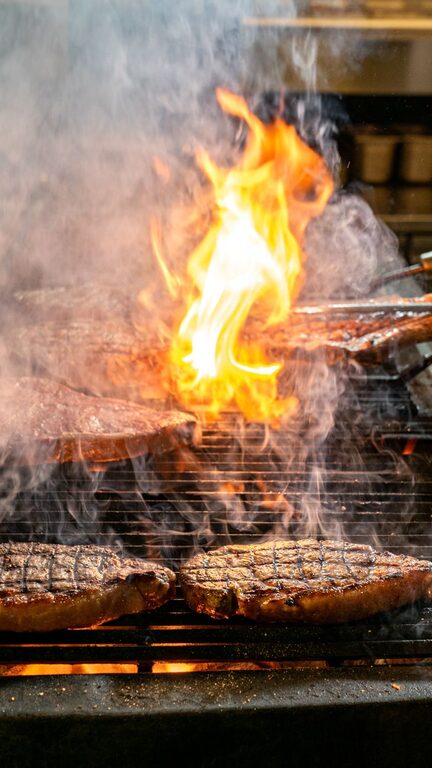
A Wider View of American Barbecue
Barbecue has long been connected to place. The wood used in a smoker, the cut of meat on the plate, and the sauce served at the table can all reflect local traditions. Today, more restaurants are bringing those regional details into focus by featuring distinct barbecue styles on their menus.
Instead of treating barbecue as one broad category, chefs and restaurant owners are giving guests a chance to compare different approaches. A menu may highlight Texas-style brisket, Carolina pulled pork, Memphis ribs, or Santa Maria tri-tip. Each style offers its own balance of smoke, seasoning, texture, and sauce.
This renewed attention helps restaurants tell a clearer story about their food while giving diners more choices. It also creates an easy way for guests to explore American food traditions without traveling across the country.
Why Regional Styles Are Appearing More Often
Several factors are helping regional barbecue gain attention in restaurants.
Guests Want More Distinctive Experiences
Diners often look for meals that feel specific and memorable. A restaurant that names its barbecue style can offer more than a general description such as “smoked meat.” Terms like “Central Texas brisket” or “Carolina vinegar barbecue” give guests a better sense of what to expect.
These details can also encourage conversation. Diners may compare the flavors they know with a style they are trying for the first time.
Menus Are Becoming More Story Driven
Restaurants increasingly use menus to explain where ingredients, recipes, or techniques come from. Regional barbecue fits naturally into this approach because its traditions are easy to describe.
A short note about smoking wood, a signature rub, or a classic sauce can make a menu item more engaging. It can also help customers understand why two barbecue dishes may look similar but taste very different.
Flexible Formats Make Barbecue Easy to Feature
Barbecue can be served in many forms, from a traditional platter to a sandwich, taco, bowl, or shared appetizer. This flexibility allows restaurants with different types of menus to include regional influences.
A barbecue restaurant might serve a full sampler, while a casual cafe may offer a pulled pork sandwich with a regional sauce. Even a restaurant that does not specialize in smoked meat can use a regional preparation as a seasonal menu feature.
Regional Styles to Watch
Texas Style: Smoke and Simple Seasoning
Texas barbecue is often associated with beef, especially brisket. The meat is typically cooked slowly over wood, allowing smoke and time to build a deep flavor. Many Central Texas traditions use a simple rub based on salt and pepper.
The focus is often on the quality of the meat, the texture of the bark, and the tenderness of the interior. Sauce may be served on the side rather than covering the meat. Sausage and beef ribs are also common menu features in Texas-inspired barbecue restaurants.
For diners, Texas-style barbecue can be a good introduction to how smoke, seasoning, and cooking technique can create a complete flavor without a strongly sweet sauce.
Carolina Style: Bright Sauces and Pulled Pork
Carolina barbecue includes several regional variations, but pork is central to many of them. Whole-hog barbecue, pork shoulder, and pulled pork are commonly associated with the area.
Eastern North Carolina traditions often use a thin vinegar-based sauce with pepper, creating a sharp and lively flavor. Western North Carolina styles may include tomato, adding more body and sweetness. South Carolina is known for mustard-based sauces in some areas, especially when paired with pork.
Restaurants can use these sauces to give the same smoked meat several different personalities. A tasting plate with vinegar, tomato, and mustard sauces can make the regional differences easy to explore.
Kansas City Style: Rich, Sweet, and Saucy
Kansas City barbecue is known for a broad range of meats and a thick sauce that often combines sweet, tangy, and smoky notes. Ribs, burnt ends, pulled pork, chicken, and sausage may all appear on a Kansas City-inspired menu.
This style works well for restaurants that want a generous, familiar barbecue experience. The sauce is usually an important part of the dish, but it can also be offered separately so guests can control the amount.
A mixed platter is a natural fit for this approach because it lets diners sample several meats with one signature sauce.
Memphis Style: Rubs, Ribs, and Layered Flavor
Memphis barbecue is especially associated with pork ribs and pulled pork. Dry-rubbed ribs are a defining menu item, with spices forming a flavorful coating during the cooking process. Some restaurants serve the ribs without sauce, while others offer sauce on the side or use a lighter glaze.
The dry-rub approach gives chefs room to build flavor through a blend of spices rather than relying mainly on a wet sauce. A Memphis-style menu may also include chopped pork sandwiches, slaw, and beans as traditional side dishes.
Alabama Style: A Creamy White Sauce
Alabama-style barbecue is often linked to smoked chicken and a mayonnaise-based white sauce with tangy, peppery flavor. The sauce provides a contrast to the smoky meat and can also be used as a dip or sandwich topping.
This style gives restaurants a way to move beyond the most familiar red barbecue sauces. It can work particularly well in sandwiches, salads, and grilled chicken dishes.
Santa Maria Style: Live Fire and Tri-Tip
Santa Maria barbecue, associated with California’s Central Coast, commonly features tri-tip cooked over a live fire. The meat is often seasoned simply and served with sides such as beans, salad, garlic bread, or salsa.
Unlike low-and-slow smoking, live-fire cooking gives the meat a combination of grilled char and wood-fired flavor. This style can appeal to restaurants that have a grill-focused kitchen but do not operate a large smoker.
How Restaurants Can Present Regional Barbecue
Restaurants do not need to redesign their entire menus to feature regional barbecue. A few focused additions can create interest:
- Offer a rotating regional special each month.
- Use a sampler plate to compare sauces or cooking methods.
- Add a short menu description explaining the style.
- Pair barbecue with regionally inspired side dishes.
- Serve sauces on the side when customers may prefer different levels of sweetness or heat.
- Use smaller portions in appetizers or tasting flights.
Clear descriptions are especially helpful. Guests may not know the difference between a vinegar sauce and a mustard sauce, but a few plain-language words can set expectations.
What This Means for Diners
For diners, the growing variety of regional barbecue makes it easier to find a style that matches personal preferences. Those who enjoy bold smoke may prefer a simply seasoned brisket. Guests who like bright flavors may choose vinegar sauce, while those who prefer a richer profile may enjoy Kansas City-style barbecue.
Trying different regional dishes can also make familiar foods feel new. A pulled pork sandwich with a sharp Carolina sauce offers a different experience from one covered in a thick, sweet glaze.
A Menu Trend with Lasting Appeal
Regional barbecue is gaining fresh attention because it combines recognizable comfort food with a sense of discovery. The approach gives restaurants useful ways to highlight technique, flavor, and local tradition while offering diners more variety.
As more menus name the traditions behind their barbecue, guests can expect to see broader selections, rotating regional features, and creative combinations of classic styles. Whether served from a smoker, grill, or kitchen oven, barbecue continues to bring a strong sense of place to the restaurant table.