A New Chapter for Single-Origin Chocolate
Single-origin chocolate has traditionally been associated with a familiar group of cocoa-growing regions, including Ecuador, Ghana, Madagascar, and Venezuela. Today, artisan chocolate makers are looking more widely, introducing bars made with cocoa from growing regions that have received less attention in the specialty chocolate market.
These emerging origins include areas such as Vietnam, India, the Philippines, Tanzania, Sierra Leone, and parts of Colombia. Each region offers different growing conditions, farming traditions, and post-harvest methods. When the cocoa is handled carefully, those differences can be expressed in the finished chocolate.
For chocolate lovers, these bars offer more than a new label to collect. They provide a way to explore how cocoa changes from one place to another, much like coffee, tea, or wine.
What “Single Origin” Means
A single-origin chocolate bar is made with cocoa from one defined location. That location may be a country, a region, a farm, or even a specific community of growers.
The term does not always follow one universal standard. A bar labeled with a country name may contain beans from multiple farms within that country. Other bars identify a precise estate or cooperative. Reading the maker’s description can help clarify how narrowly the origin is defined.
Single-origin chocolate is not automatically better than a blended bar. Blends can be carefully designed to create a balanced and consistent flavor. However, single-origin bars allow makers and customers to notice the character of a particular cocoa-growing area.
Emerging Cocoa Regions to Watch
Vietnam
Vietnam has become increasingly recognized for fine-flavor cocoa, especially from areas in the Central Highlands and the Mekong Delta. Vietnamese cocoa can show bright fruit notes, gentle spice, roasted nuts, and a pleasant natural acidity.
Small-scale fermentation projects have helped improve consistency and quality. Some growers and local processors are also experimenting with fermentation styles that bring out different flavor profiles from the same beans.
India
India’s cocoa is often grown alongside crops such as coconut, areca nut, and spices. This mixed-farming environment can support biodiversity and give farms a distinctive agricultural character.
Indian cocoa may produce notes of dried fruit, caramel, nuts, and warm spice. Artisan makers are paying closer attention to regional differences, including how the beans are fermented and dried in humid conditions.
The Philippines
The Philippines has a long history of cacao cultivation, but many local cocoa-growing communities are still developing their presence in the specialty market. Areas in Mindanao and other southern regions have attracted attention for their flavorful beans.
Philippine cocoa can offer flavors ranging from tropical fruit and honey to roasted nuts and soft chocolate. Improved fermentation practices and closer relationships between farmers and makers are helping more of these characteristics reach consumers.
Tanzania
Tanzania is best known in some circles for cocoa from the east of the country, including areas near the islands and coastal zones. Small lots from Tanzania can show lively acidity, berry-like fruit, floral aromas, and deep cocoa notes.
Because production volumes may be limited, these bars are often released as seasonal or small-batch products. Their limited availability can make them especially interesting for people who enjoy comparing different harvests.
Sierra Leone
Sierra Leone is another origin receiving renewed attention from specialty chocolate makers. Cocoa from the country can display notes of red fruit, citrus, nuts, and earthy cocoa, depending on the region and processing method.
The growth of specialty cocoa projects has created more opportunities for farmers to focus on quality, traceability, and post-harvest handling. As these systems develop, makers are gaining access to more distinct and carefully prepared lots.
Why Growing Conditions Matter
Cocoa trees grow in warm, humid areas near the equator, but the local environment still varies widely. Altitude, rainfall, soil, shade, and surrounding plants can all influence the beans.
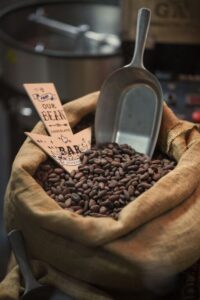
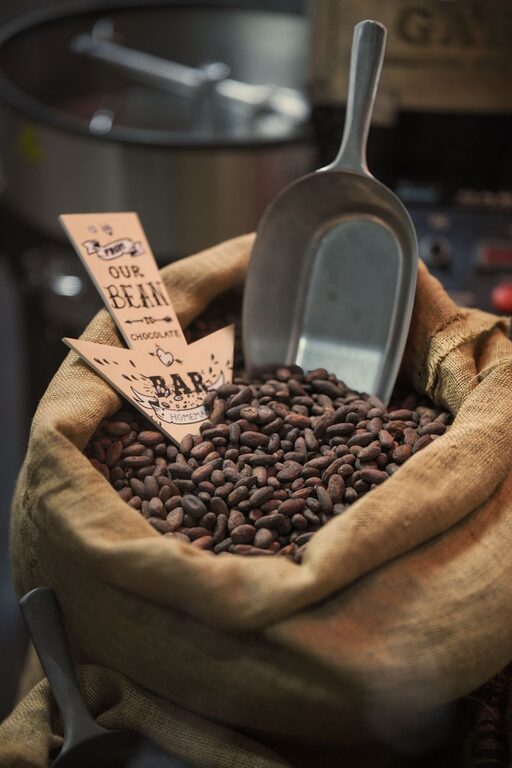
These conditions do not work alone. Fermentation and drying are equally important. After cocoa pods are harvested, the beans are removed and allowed to ferment for several days. This step develops many of the flavor compounds that later appear during roasting.
Drying then reduces moisture and prepares the beans for storage and transport. Differences in fermentation time, drying surfaces, temperature, and weather can create noticeable changes in the final chocolate.
The maker’s roasting approach also matters. A lighter roast may preserve delicate fruit or floral notes, while a deeper roast may emphasize nuts, caramel, and a fuller cocoa flavor.
How Artisan Makers Present New Origins
When working with less familiar cocoa, artisan makers often produce relatively simple bars. A high-cocoa dark chocolate with a short ingredient list can make regional flavors easier to identify.
Many makers also include details such as:
– The country, region, or farm of origin
– The name of a cooperative or producer group
– The harvest season
– The cocoa percentage
– Fermentation and drying information
– Tasting notes
– The maker’s roasting and refining approach
Some companies release the same origin at different cocoa percentages. Comparing these bars can show how sugar and cocoa content affect the way a region tastes.
Packaging may also tell part of the story. Maps, farm profiles, and producer information help connect the finished bar with the people and places behind it. Good labeling should be informative without suggesting that one origin is universally superior to another.
What to Look for When Tasting
Tasting a single-origin bar does not require special equipment. A quiet setting and a few small pieces are enough.
Start by observing the chocolate’s appearance and aroma. Look for a clean surface and notice whether the scent suggests fruit, nuts, flowers, spice, caramel, or roasted cocoa.
Let a small piece melt slowly rather than chewing it immediately. Pay attention to how the flavor develops from the first few seconds through the finish.
Consider these questions:
- Is the acidity bright, mild, or almost absent?
- Does the chocolate taste fruity, nutty, floral, earthy, or spicy?
- Is the texture creamy, firm, or slightly dry?
- How long does the flavor remain after the chocolate melts?
- Does the sweetness support the cocoa, or does it dominate?
Tasting with plain water between samples can help reset the palate. Unsalted crackers may also be useful when comparing several bars.
Challenges Behind New-Origin Chocolate
Working with cocoa from emerging regions can be complex. Small harvests may vary from year to year, and transportation or storage conditions may affect availability. Makers may also need to work closely with growers to improve fermentation, drying, and quality control.
Climate and weather can create additional uncertainty. Heavy rain, drought, and shifting growing conditions may influence both the size and quality of a harvest.
Traceability can also differ. Some bars identify a specific farm, while others represent a broader regional lot. This does not necessarily indicate poor quality, but shoppers should look for clear, accurate information about where the cocoa comes from.
How to Explore the Category
For those new to emerging-origin chocolate, a tasting set can be a practical starting point. Choose three or four bars with similar cocoa percentages but different origins. This makes the regional differences easier to notice.
It can also help to keep brief tasting notes. Record the origin, cocoa percentage, maker, aroma, main flavors, texture, and overall impression. Over time, patterns may appear. You may discover that you prefer bright, fruity bars, or that you enjoy chocolate with nutty and mellow flavors.
Single-origin chocolate is ultimately an invitation to pay attention. Each bar reflects a combination of growing conditions, farming decisions, fermentation, roasting, and careful craftsmanship. As artisan makers continue to explore new cocoa-growing regions, chocolate lovers have more opportunities to taste the world one bar at a time.