Classic fruit desserts have a way of returning to the table year after year. Apple pie, strawberry shortcake, peach cobbler, and lemon tart are familiar favorites because they balance sweetness with the bright, natural flavor of fruit. This season, pastry chefs are giving these desserts fresh appeal through new techniques, unexpected pairings, and modern presentations.
The goal is not to replace traditional recipes. Instead, many chefs are using classic desserts as a starting point. They are adding contrasting textures, exploring less common fruits, and finding simple ways to make each serving feel special.
Familiar Desserts With a Fresh Point of View
A classic dessert usually has a recognizable structure. There may be a crisp crust, a tender cake, a warm fruit filling, or a creamy topping. Pastry chefs are keeping these foundations while changing one or two elements.
For example, a traditional fruit tart might receive:
– A thin layer of nut cream beneath the fruit
– A crisp topping instead of a pastry lid
– Fresh herbs mixed into the glaze
– A combination of baked and fresh fruit
– A new shape, such as individual tartlets
These changes can make a dessert feel modern without taking away the qualities people enjoy most. The flavors remain welcoming, while the presentation and texture offer something new.
Apple Desserts Get More Texture
Apple desserts are among the easiest classics to update. Their gentle sweetness and firm texture work well with a range of ingredients, from spices and nuts to caramel and citrus.
One popular approach is to combine several apple textures in one dessert. A pastry chef might layer tender baked apples with thin, crisp apple slices and a smooth apple compote. The result has more contrast than a standard filling while still tasting unmistakably like apple pie.
Apple desserts are also appearing with toppings beyond the usual pastry crust. Oat crumble, brown butter streusel, and toasted seeds can add a satisfying crunch. Some chefs are using a thin sheet of puff pastry as a delicate lid, creating a lighter alternative to a double-crust pie.
Flavor Pairings to Watch
Warm spices remain popular, but they are being used with a lighter touch. Cinnamon may be paired with cardamom, ginger, or black pepper for added depth. Lemon zest, orange, and cranberry can bring brightness to a rich apple dessert.
For a simple home version, try adding:
– A little grated lemon zest to apple filling
– Toasted walnuts or pecans to the topping
– A spoonful of cranberry sauce alongside the pie
– A pinch of cardamom with the cinnamon
The key is balance. Additional flavors should support the fruit rather than cover it.
Stone Fruit Takes Center Stage
Peaches, plums, cherries, and apricots are especially useful for creative summer and early fall desserts. Their natural juiciness makes them suitable for pies and cobblers, but they also work well in chilled desserts and simple plated dishes.
This season, stone fruit is being used in both cooked and fresh forms. A dessert may include roasted peaches for concentrated flavor, fresh peach slices for brightness, and a peach syrup for a smooth finish. Using the same fruit in multiple forms creates depth without requiring a long list of ingredients.
Traditional cobbler is also receiving a lighter presentation. Instead of baking fruit under one large layer of dough, chefs may prepare individual portions with small biscuits placed over the top. This allows each serving to have a balance of fruit, sauce, and golden topping.
Beyond the Standard Cobbler
Several small adjustments can make a cobbler feel new:
– Replace part of the flour in the topping with cornmeal
– Add fresh thyme or basil to the fruit
– Serve it with lightly sweetened yogurt
– Mix two stone fruits in the filling
– Finish with a crisp almond topping
A touch of salt can help bring out the sweetness of ripe fruit. Citrus juice also adds brightness and helps keep the dessert from tasting too heavy.
Berries Move Into Layered Desserts
Strawberries, blueberries, raspberries, and blackberries are often associated with shortcake, but pastry chefs are using them in more elaborate ways. Layered desserts are a major focus, combining fruit with cake, cream, pastry, or crisp elements.
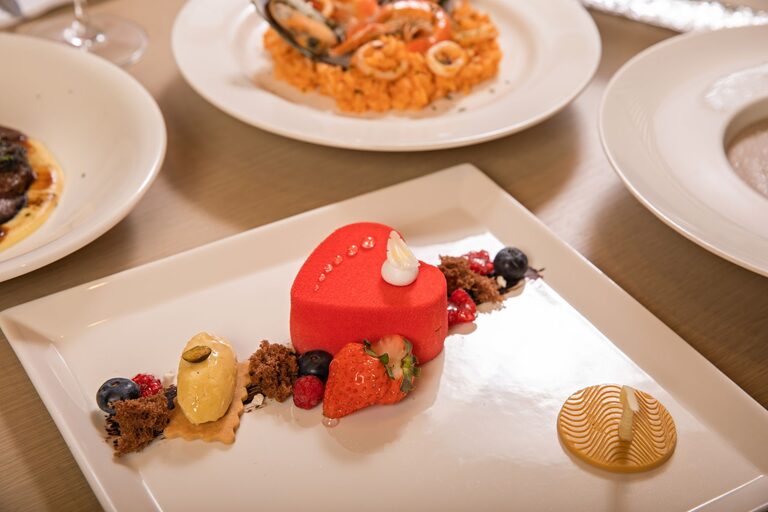
A modern strawberry shortcake might include a biscuit base, strawberry compote, fresh berries, vanilla cream, and a thin layer of strawberry powder. Each component contributes a different texture while keeping the central combination familiar.
Berry desserts are also being served in clear glasses or small jars. These portions showcase the layers and make the dessert easy to serve at gatherings. A simple version might include crushed cookies, lemon cream, berry sauce, and fresh fruit.
Keeping Berry Desserts Balanced
Berries can vary widely in sweetness and acidity. Pastry chefs often balance them with ingredients that add richness or gentle tang, such as:
– Whipped cream
– Mascarpone
– Greek-style yogurt
– Soft cheese
– Vanilla pastry cream
– White chocolate
A crisp element, such as toasted oats or shortbread crumbs, prevents a layered dessert from becoming too soft. Adding the crunchy topping just before serving helps preserve its texture.
Citrus Desserts Become More Fragrant
Lemon tart and orange cake are classic examples of desserts that rely on bright, clean flavor. New versions are exploring the full range of citrus, including grapefruit, lime, blood orange, kumquat, and yuzu-inspired flavor combinations.
Chefs are using citrus in several forms at once. A lemon dessert may include juice in the filling, zest in the crust, and a candied peel garnish. This approach creates a more complete flavor and reduces the need for heavy decoration.
Citrus desserts are also being paired with ingredients that add contrast. Olive oil cake, for example, can provide a rich but delicate base for orange or grapefruit. Honey, pistachio, coconut, and fresh herbs can also complement citrus without overpowering it.
Classic Desserts in Individual Portions
Individual desserts are a practical way to update traditional recipes. Small pies, mini fruit galettes, and personal trifles are easy to portion and can be decorated with care.
Individual servings also allow pastry chefs to experiment. A single dessert might combine a familiar fruit filling with a different crust or topping, while another version offers a contrasting flavor. This format works well for dinner parties because guests can enjoy a complete dessert without sharing a large dish.
For home bakers, individual portions can be easier to manage than one large dessert. They often require less time to cool and can be prepared ahead of serving.
Simple Ideas for Trying the Trend at Home
You do not need professional equipment to give a classic fruit dessert a fresh twist. Start with a recipe you already enjoy, then change one element at a time.
Try these ideas:
- Add a crunchy topping to a soft fruit dessert.
- Combine cooked fruit with a few slices of fresh fruit.
- Use citrus zest in the crust, filling, or whipped topping.
- Add one fresh herb, such as mint, basil, or thyme.
- Serve a familiar dessert in individual dishes.
- Pair sweet fruit with a lightly tangy cream.
- Finish with toasted nuts, seeds, or crisp crumbs.
Small changes are often enough to create a new experience. They also make it easier to understand which flavors and textures work best together.
The Best New Twists Still Respect the Classics
The most successful updates do not depend on complicated decorations or unusual ingredients. They focus on quality fruit, thoughtful contrast, and careful preparation. A warm fruit filling should still taste like fruit. A buttery crust should remain crisp. A creamy topping should support the dessert rather than hide it.
This season’s pastry trends show that classic fruit desserts are far from outdated. With a few creative adjustments, familiar recipes can feel fresh, seasonal, and personal. Whether the result is a layered berry dessert, a textured apple pie, or a fragrant citrus tart, the appeal comes from combining comfort with a small sense of discovery.