
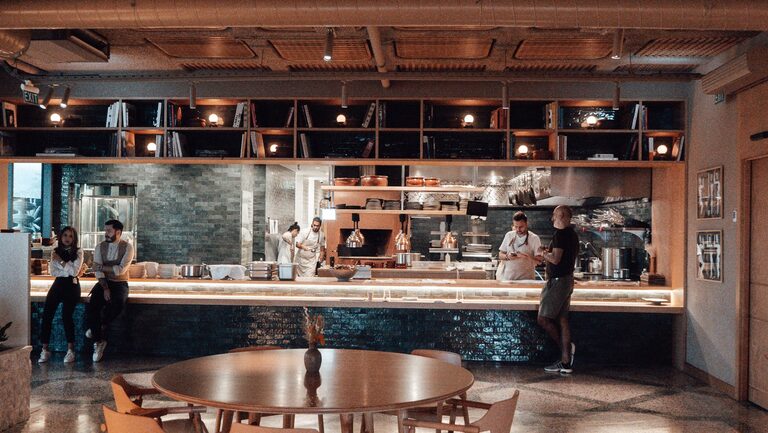
For years, restaurants treated the kitchen as a private workspace hidden behind doors and walls. Today, many new openings are taking a different approach. Open kitchens, chef counters, visible preparation areas, and interactive dining spaces are becoming central features of the restaurant experience.
This shift is about more than interior design. Guests want to understand how a meal comes together, connect with the people preparing it, and feel involved in the experience. Restaurant owners and chefs are responding by turning the kitchen into part of the room rather than keeping it out of sight.
The Kitchen Becomes Part of the Dining Room
An open kitchen gives diners a clear view of the work behind their meals. Depending on the restaurant, guests may see cooks preparing pasta, shaping bread, grilling vegetables, mixing sauces, or finishing plates.
The setup can take several forms:
– A fully visible kitchen along the back wall
– A counter facing the cooking line
– A chef’s counter with direct interaction
– A partially open kitchen with a framed view
– A central cooking station surrounded by tables
Each design creates a different type of atmosphere. A large open kitchen can add energy and movement to a dining room, while a smaller counter can feel more personal and focused.
For guests, the visual connection adds context to the meal. They can see the timing, care, and teamwork involved in preparing each dish. Even simple tasks become interesting when diners can watch them happen in real time.
Why Open Kitchens Appeal to Guests
Open kitchens help make dining feel more transparent and personal. Instead of receiving a dish without seeing what happens behind the scenes, guests get a better understanding of the restaurant’s approach.
A Sense of Connection
Watching chefs and kitchen teams work can create a stronger connection between guests and the restaurant. Diners may notice the rhythm of service, the care taken with ingredients, and the coordination required during busy periods.
This connection can also make the meal feel more memorable. Guests often remember not only what they ate but also the setting, the sounds, and the people they observed during the experience.
More Opportunities for Discovery
An open kitchen can introduce diners to unfamiliar ingredients and cooking methods. A guest may see a chef using a wood-fired oven, preparing handmade noodles, or finishing a dish with an ingredient they have not tried before.
These moments can encourage questions and conversation. A quick explanation from a chef or server may add useful detail without turning the meal into a formal lesson.
A More Welcoming Atmosphere
Visible cooking can make a restaurant feel lively and approachable. The movement of the kitchen adds natural energy to the space, especially when the design allows guests to sit close to the action.
For some restaurants, this atmosphere replaces traditional entertainment. The cooking itself becomes part of the experience, offering something to watch while guests talk and wait for their meals.
Chef Counters Create a More Personal Experience
One of the most popular features in new restaurants is the chef counter. These seats are usually placed directly in front of the cooking area, allowing diners to observe preparation and speak with the team.
Chef counters may offer a set menu, a tasting menu, or the same dishes available throughout the restaurant. In some cases, the chef introduces each course. In others, the interaction is informal, with guests asking questions as the meal progresses.
This arrangement benefits both sides. Guests receive a closer look at the cooking process, while chefs can receive immediate feedback and share the ideas behind their food.
A well-designed chef counter should still feel comfortable. Important details include:
– Enough space between guests and the cooking area
– Comfortable seating for longer meals
– Clear views without blocking the work of the kitchen team
– Good ventilation and temperature control
– A layout that allows easy communication
The goal is to create a close connection without making guests feel as if they are in the way.
Interaction Goes Beyond the Kitchen
Although the kitchen is the main focus, guest interaction can take many forms. New restaurants are experimenting with experiences that invite diners to participate without adding pressure.
Ingredient Displays
Some restaurants place seasonal ingredients in visible baskets, shelves, or refrigerated displays. These features can show guests what is fresh and provide a starting point for conversation.
Finishing Touches at the Table
A dish may be completed at the table with a sauce, garnish, carving step, or final seasoning. This approach gives diners a closer look at the last stage of preparation while keeping the interaction brief and practical.
Shared Menus and Flexible Ordering
Some restaurants use menus designed to encourage sharing. Servers may explain how dishes are prepared, suggest combinations, or describe the best order for enjoying a meal.
This style can make the dining experience more conversational. Guests are not simply choosing items from a list; they are learning how the menu fits together.
Small Demonstrations
A chef or member of the kitchen team may demonstrate a technique, introduce a special ingredient, or explain the story behind a dish. These moments work best when they are short, clear, and suited to the guest’s level of interest.
Design and Function Must Work Together
An open kitchen looks appealing, but it also creates practical challenges. Restaurant designers and operators must balance visibility with safety, comfort, and efficiency.
Ventilation is especially important. Cooking smells can add to the atmosphere, but strong smoke or excessive heat can make a dining room uncomfortable. Sound levels also require attention because open equipment and busy service can be louder than a closed kitchen.
Cleanliness becomes more visible as well. An open kitchen encourages teams to maintain organized workstations throughout service. Storage, waste handling, and equipment placement must be planned carefully so the cooking area looks professional from every angle.
Good design also protects the kitchen team. Clear paths, well-placed counters, and appropriate barriers help prevent accidents while allowing guests to enjoy the view.
The Role of Technology
Technology is supporting this trend in subtle ways. Some restaurants use digital menus to explain ingredients, cooking methods, or the origin of specialty products. Others use screens to show daily preparations or provide a closer look at dishes being made in another part of the kitchen.
Reservations may also include options for selecting a chef counter or requesting a particular type of seating. This helps guests choose the level of interaction they want before arriving.
Still, technology works best when it supports human connection rather than replacing it. A simple conversation with a chef or server often feels more engaging than a screen filled with information.
What This Trend Means for the Future
Open kitchens and guest interaction are likely to remain important features in new restaurant openings. They respond to a broader interest in experiences that feel personal, transparent, and connected to place.
However, not every restaurant needs a dramatic kitchen display. The most successful spaces are designed around the food, the staff, and the type of service being offered. A neighborhood café may use a visible pastry counter, while a destination restaurant may build its entire dining room around a chef’s counter.
The common idea is to make the meal feel more connected. Guests want to see some of the work, understand the choices behind the menu, and feel welcome in the space.
As restaurants continue to explore new ways to bring diners closer to the action, the kitchen will become less of a hidden room and more of a shared stage. When thoughtful design and genuine hospitality come together, watching a meal take shape can become one of the most rewarding parts of dining out.