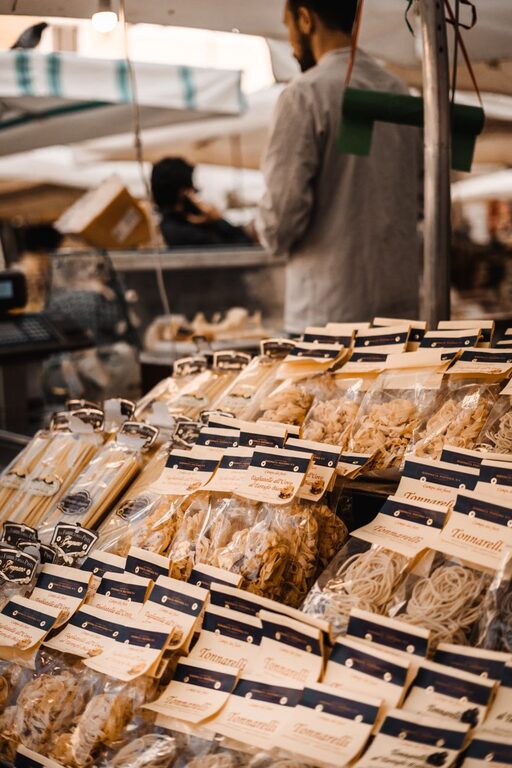
Farmers markets have long been places to find fresh produce, baked goods, preserves, and locally raised foods. Now, many markets are making room for another kind of producer: small businesses that prepare fresh pasta and handmade dumplings.
These vendors bring familiar comfort foods with a personal touch. Their products may include filled ravioli, hand-cut noodles, pierogi, steamed dumplings, and other regional specialties. For shoppers, the growing selection offers more convenient meal options and a chance to meet the people who make their food.
Why Fresh Pasta and Dumplings Fit Farmers Markets
Fresh pasta and dumplings share several qualities with other popular farmers market products. They are often made in small batches, sold close to the source, and prepared with careful attention to ingredients and technique.
Many producers use locally available items in their recipes. Seasonal vegetables, herbs, eggs, mushrooms, cheese, and meat can all become fillings or flavorings. This gives vendors a way to reflect the character of their area while changing their menus throughout the year.
Fresh pasta and dumplings can also be easier for shoppers to use than some specialty foods. Customers can take them home for a quick dinner, freeze them for later, or serve them as part of a larger meal. A package of handmade pasta may offer a simple alternative to cooking an entire dish from scratch.
A Wider Variety of Products
New vendors are bringing a broad range of styles and flavors to market tables. Shoppers may find traditional recipes alongside creative combinations inspired by different food cultures.
Common offerings include:
– Fresh spaghetti, fettuccine, linguine, and lasagna sheets
– Filled pasta such as ravioli, tortellini, and agnolotti
– Potato or cheese dumplings
– Pierogi with savory or seasonal fillings
– Asian-style dumplings prepared for steaming, boiling, or pan-frying
– Gnocchi and other soft, shaped pasta
– Frozen products designed for convenient home preparation
Some producers specialize in one type of product, while others rotate their menus based on demand and available ingredients. This variety encourages customers to try something new without needing to visit a specialty store.
Small-Batch Production Adds a Personal Touch
Unlike large-scale manufacturing, small-batch production allows vendors to work closely with each recipe. Pasta dough may be mixed, rolled, cut, and packed by hand. Dumplings may be filled and folded individually.
This approach can create differences in shape, thickness, and texture from one batch to the next. For many customers, those small variations are part of the appeal. They show that the food was made by people rather than produced entirely by automated equipment.
Vendors also have more opportunities to speak with customers about their methods. A shopper might learn which sauce pairs well with a particular pasta, how long to cook frozen dumplings, or which ingredients are included in a seasonal filling.
Local Ingredients Create Seasonal Connections
Farmers markets naturally encourage shoppers to think about the seasons. Fresh pasta and dumpling producers can build on that connection by using ingredients that are available nearby.
Spring menus might include peas, leafy greens, or fresh herbs. Summer can bring tomatoes, corn, peppers, and squash. In the fall, fillings may feature pumpkin, sweet potatoes, mushrooms, or roasted onions. Winter offerings could focus on preserved ingredients, hearty cheeses, and warming spices.
Using seasonal ingredients can benefit both producers and other market vendors. A pasta maker may purchase vegetables from a nearby farm, while shoppers gain another way to enjoy the market’s harvest.
What Shoppers Should Know Before Buying
Fresh pasta and dumplings may need different handling than shelf-stable products. Customers should read the vendor’s instructions and ask questions when necessary.
Before buying, shoppers may want to check:
– Whether the product is fresh, frozen, or partially cooked
– How long it will keep in the refrigerator
– Whether it can be frozen at home
– Recommended cooking times and methods
– Ingredients and common allergens
– Package size and serving suggestions
Because these products often contain eggs, dairy, wheat, or meat, clear labeling is especially useful. Vendors should provide accurate information and follow local food safety requirements. Customers with food allergies can ask about ingredients and preparation practices before making a purchase.
Keeping the food cool during travel is also important. If the market is far from home, bringing an insulated bag or cooler can help protect refrigerated products on the way back.
Markets Support New Food Businesses
Farmers markets can provide a practical starting point for small food businesses. A producer may begin with a limited menu, test recipes with local customers, and learn which products are most popular.
Direct sales also allow vendors to receive immediate feedback. Customers can comment on flavors, portion sizes, packaging, and cooking instructions. This information can help a small business improve while building a loyal customer base.
For many producers, the market is more than a place to sell food. It is a way to introduce a brand, share family recipes, and develop relationships with restaurants, grocery stores, and community organizations.
How Markets Benefit From More Prepared Foods
A wider selection of prepared and ready-to-cook foods can make farmers markets more useful for busy shoppers. Someone who arrives to buy vegetables may also leave with dumplings for dinner or fresh pasta for the weekend.
These vendors can also bring new visitors to a market. Customers who are interested in handmade foods may discover local farmers, bakers, cheesemakers, and other producers during the same visit. In this way, one new vendor can help increase attention for the entire market.
Markets may also use pasta and dumpling vendors to create demonstrations, tasting events, or cooking activities. A producer could show how to shape dumplings, explain different pasta cuts, or offer serving ideas using ingredients sold by other vendors.
Tips for Serving Fresh Pasta and Dumplings
At home, simple preparation often works best. Fresh pasta typically cooks faster than dried pasta, so it should be watched carefully. Dumplings may be boiled, steamed, pan-fried, or baked, depending on the style and the producer’s instructions.
Simple serving ideas include:
– Tossing fresh pasta with olive oil, herbs, and grated cheese
– Pairing filled pasta with a light butter or tomato sauce
– Serving dumplings with a dipping sauce and crisp vegetables
– Adding cooked dumplings to soup or broth
– Combining gnocchi with roasted seasonal produce
The goal is to let the texture and filling stand out rather than covering them with too many competing flavors.
A Growing Part of the Market Experience
The arrival of more fresh pasta and handmade dumpling producers reflects the changing ways people shop for food. Customers are looking for convenient meals, distinctive flavors, and direct connections with local makers.
For producers, farmers markets offer a welcoming space to introduce carefully made products and grow a small business. For shoppers, they provide an opportunity to discover food that is both practical and personal.
As markets continue to expand their offerings, fresh pasta and handmade dumplings are likely to remain popular additions. They bring variety to market stalls, support local food businesses, and turn everyday meals into something worth looking forward to.