
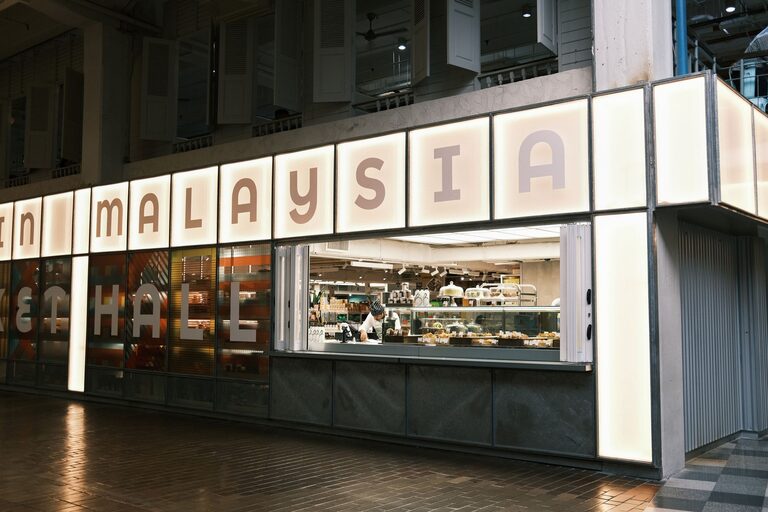
Food halls are becoming more diverse as operators add global street food concepts to their vendor lineups. From filled flatbreads and noodle bowls to grilled skewers and handheld snacks, these shared dining spaces are giving guests more ways to explore international flavors in one location.
The trend reflects changing dining habits. Many customers want meals that are convenient, flavorful, and easy to share, while food hall operators are looking for concepts that feel distinctive without requiring a large footprint. Global street food often fits both needs.
Why Global Street Food Works in Food Halls
Street food is designed for busy public spaces. It is usually served quickly, offered in portable portions, and built around bold combinations of flavors and textures. These qualities make it a natural fit for food halls, where guests may be choosing from several vendors during the same visit.
Many street food concepts also have flexible menus. A vendor might offer a small selection of signature dishes, along with vegetarian options, side dishes, sauces, or seasonal specials. This approach allows the kitchen to stay focused while still giving customers some choice.
For food hall operators, the format can provide several advantages:
– Compact menus that are easier to manage
– Fast service during busy periods
– Shareable dishes that appeal to groups
– Strong visual presentation for social media
– Opportunities to introduce less familiar flavors
– Menu flexibility for seasonal ingredients and events
These benefits can help a vendor stand out while contributing variety to the overall food hall experience.
A Broader Range of Regional Influences
New food hall lineups often move beyond familiar restaurant categories. Instead of offering only burgers, pizza, or standard sandwiches, operators are adding concepts inspired by different regions and dining traditions.
Examples may include:
Southeast Asian Street Food
Southeast Asian-inspired vendors often feature rice bowls, noodle dishes, grilled meats, fresh herbs, and bright sauces. Popular formats can include noodle soups, stir-fried noodles, spring rolls, and skewers served with dipping sauces.
These dishes can be adapted for quick service while maintaining a balance of savory, spicy, sweet, sour, and fresh flavors. Customers may also appreciate the ability to customize toppings, protein choices, and spice levels.
Latin American Snacks and Handhelds
Latin American street food concepts can bring items such as arepas, tacos, empanadas, tortas, and grilled corn to food halls. These dishes are naturally portable and can be served as individual meals or shared plates.
Menus may highlight regional variations, making it possible for a vendor to offer more than one style of preparation. For example, a menu might include several fillings for arepas or a rotating selection of tacos based on seasonal ingredients.
Middle Eastern and Mediterranean Plates
Flatbreads, grilled meats, falafel, rice dishes, and mezze-style sides are also appearing in food hall settings. These menus often work well for groups because guests can order a combination of dips, salads, breads, and main dishes.
A food hall vendor might serve familiar items such as hummus and falafel alongside less common regional specialties. This can give guests an easy introduction to new flavors without requiring them to commit to a full-service restaurant experience.
African-Inspired Dishes
African food concepts are gaining attention in food halls through dishes such as spiced rice, stews, grilled meats, fried snacks, and vegetable-based plates. Menus may draw from a specific country or region, or combine several influences in a modern street food format.
These vendors can add new flavor profiles to a food hall, including aromatic spice blends, slow-cooked sauces, and hearty grain-based dishes. Clear menu descriptions can help customers understand ingredients and preparation styles.
European Market Foods
European street food is also finding a place in modern food halls. Examples include filled crepes, sausages, savory pastries, fried potatoes, and open-faced sandwiches.
Although some of these foods are familiar to American diners, regional preparation methods and toppings can create a fresh experience. A focused menu can help a vendor present a clear identity while serving food quickly.
Small Formats Encourage More Variety
One reason food halls can support global concepts is their use of smaller vendor spaces. A food stall or counter does not need the same kitchen, dining room, or staffing model as a traditional restaurant.
This smaller format can make it easier for operators to test a concept. A vendor may begin with a limited menu, observe which dishes customers prefer, and adjust over time. The food hall benefits by adding variety without dedicating a large amount of space to one cuisine.
Small formats can also encourage chefs and operators to develop focused ideas. Rather than serving a broad menu, a concept might specialize in one type of dish, such as dumplings, grilled skewers, stuffed breads, or regional desserts.
Making Global Flavors More Approachable
Introducing global street food to a broad audience requires a balance between authenticity and accessibility. Customers may be curious about unfamiliar dishes but still want clear information about what they are ordering.
Food hall vendors can make menus easier to navigate by:
– Using straightforward ingredient descriptions
– Explaining unfamiliar cooking methods
– Offering sample portions or smaller plates
– Providing mild, medium, and spicy options when appropriate
– Highlighting vegetarian and plant-based choices
– Pairing new dishes with familiar sides
– Training staff to answer basic menu questions
The goal is not to remove the character of a dish. Instead, clear communication helps guests order with confidence and encourages them to try something new.
The Role of Design and Presentation
A vendor’s visual identity can be just as important as its menu. Bright signage, open kitchens, traditional patterns, and visible cooking techniques can help communicate a concept before a customer reaches the counter.
Food presentation also matters. Street food is often colorful and highly recognizable, making it well suited to photographs and short videos. Attractive plating, distinctive packaging, and visible garnishes can increase interest and help customers remember a vendor.
However, presentation should support the food rather than distract from it. A clear menu, efficient ordering process, and consistent portion sizes remain essential to a successful food hall operation.
Building a More Complete Dining Experience
Global street food vendors can contribute more than individual meals. They can help food halls become places where people gather, explore, and return regularly.
Some food halls are supporting this experience with programming such as:
– Cultural food festivals
– Guest chef appearances
– Tasting events
– Cooking demonstrations
– Seasonal market days
– Beverage pairings
– Limited-time vendor collaborations
These activities give customers additional reasons to visit and create opportunities for vendors to introduce special dishes. They can also encourage customers to try several concepts during one trip.
What Customers Can Expect Next
As food halls continue to develop, vendor lineups are likely to become even more specialized. Rather than simply adding another general restaurant, operators may look for concepts built around a particular dish, region, or cooking style.
Menus may also become more flexible. Limited-time collaborations, rotating pop-ups, and seasonal specials can keep the lineup fresh without requiring permanent changes. Technology may support this process through digital ordering, loyalty programs, and menu updates that make it easier to track customer interest.
The growth of global street food in food halls reflects a broader interest in variety and discovery. These spaces allow diners to enjoy familiar favorites while also trying foods they may not encounter in a traditional restaurant setting.
By combining convenient formats, focused menus, and international influences, food halls are creating dining environments that feel both accessible and adventurous. For customers, that can mean more choices in one visit. For vendors, it offers a practical setting to share distinctive food with a wide audience.