
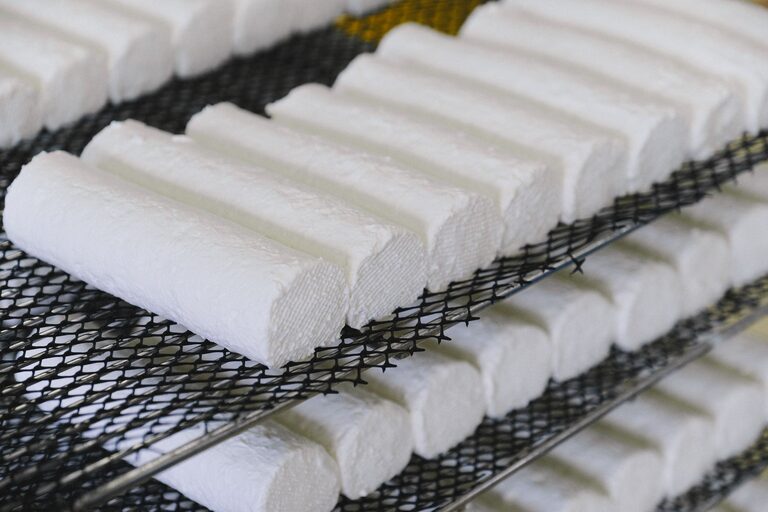
Small-batch cheese is having a moment. Across farming communities, food markets, and independent shops, local cheesemakers are creating distinctive varieties inspired by techniques passed down through generations.
These makers often work with simple ingredients: milk, cultures, salt, and time. What sets their cheeses apart is the care taken at every stage. From selecting local milk to aging wheels in small cellars, the process is shaped by tradition, climate, and the character of the surrounding land.
The result is a growing range of cheeses that feel both familiar and new.
A Return to Traditional Cheesemaking
Traditional cheesemaking methods developed long before modern refrigeration and large-scale production. Farmers learned to preserve fresh milk by turning it into products that could last for weeks or months.
Many of these methods remain relevant today. Local cheesemakers may use:
– Wooden tools or small copper vats
– Natural or house-selected cultures
– Hand ladling instead of mechanical stirring
– Cloth wrapping during aging
– Stone, brick, or naturally cool aging rooms
– Seasonal milk from nearby farms
These techniques are not used simply for appearance. Each step can influence the cheese’s texture, aroma, and flavor. A slower draining process may create a softer body, while longer aging can produce a firmer texture and deeper taste.
Modern cheesemakers also follow carefully controlled sanitation and food safety practices. Traditional ideas are often combined with updated equipment, testing, and temperature controls to create products that are both authentic and consistent.
Local Ingredients Shape the Final Flavor
One of the most appealing features of local cheese is its connection to place. The milk used by a cheesemaker reflects the animals’ feed, the season, and the conditions of the farm.
Spring milk may have a lighter, more floral character when animals graze on fresh pasture. Summer milk can show different qualities, while winter milk may have a richer, fuller profile. These changes are natural and often become part of the identity of a small-batch cheese.
Some cheesemakers also incorporate ingredients from nearby producers, such as:
– Fresh herbs
– Local honey
– Fruit preserves
– Craft beer
– Cider
– Smoked salt
– Roasted peppers
– Edible flowers
These additions can highlight the region without overpowering the milk itself. A cheese flavored with herbs from a nearby farm, for example, can offer a clear sense of season and location.
Small Batches Allow for More Experimentation
Large-scale cheese production is designed for efficiency and consistency. Small-batch production offers more flexibility.
Independent cheesemakers can test new cultures, change aging times, or create limited seasonal varieties without altering a large production line. A successful experiment may become a regular offering, while other batches may remain one-time releases.
This freedom has led to creative varieties such as:
Washed-Rind Cheeses
These cheeses are rubbed or washed during aging with a liquid such as brine, beer, wine, or cider. The process encourages the development of a flavorful rind and a soft, sometimes creamy interior.
Washed-rind cheeses are often known for their bold aroma, but their flavor can range from savory and earthy to pleasantly tangy.
Cloth-Bound Cheddar
Cloth-bound cheddar is wrapped in fabric before aging. The cloth helps protect the cheese while allowing it to develop gradually. The finished cheese may have a firm, crumbly texture and a layered flavor that becomes more complex over time.
Some local makers add their own touch by adjusting the aging period or using milk from a particular farm.
Fresh Soft Cheese
Fresh cheeses are made to be enjoyed soon after production. They are usually soft, mild, and spreadable, with a clean flavor that works well in both sweet and savory dishes.
Because they are not aged for long periods, these cheeses often show the freshness of the milk and any herbs, spices, or other ingredients added during production.
Blue and Mold-Ripened Varieties
Mold-ripened cheeses rely on carefully managed cultures to create their texture and flavor. Blue cheeses develop colored veins, while other mold-ripened styles develop a soft outer rind.
Small producers may create mild, approachable versions as well as more intense cheeses for experienced cheese enthusiasts.
Tradition Meets Modern Craft
Today’s cheesemakers are not simply copying old recipes. They are studying historical methods and adapting them to modern conditions.
A cheesemaker may use a traditional recipe but monitor temperatures with digital tools. Another may age cheese in a historic building while using modern humidity controls. Some makers even consult old farming records, regional cookbooks, or family notes when developing new varieties.
This balance helps preserve the character of traditional cheese while making the process more reliable. It also allows producers to respond to current tastes. Many shoppers are looking for cheeses that are flavorful but easy to use, while others want unusual varieties that offer a more memorable tasting experience.
Why Shoppers Are Interested
Several factors have helped small-batch cheese attract attention.
First, consumers often appreciate knowing where their food comes from. Buying from a local cheesemaker can make the production process feel more visible and personal.
Second, small-batch cheese offers variety. A shop may carry a rotating selection that changes with the season, giving customers a reason to return and try something different.
Finally, these products can support a wider local food network. Cheesemakers may purchase milk from nearby farms, herbs from garden growers, packaging from local suppliers, and services from area businesses.
The result is more than a single product. It is a connected food system built around regional skills and resources.
How to Enjoy Small-Batch Cheese
The best way to appreciate a new cheese is to give it room to show its character. Serve it at a cool room temperature, unless the cheesemaker recommends otherwise.
A simple tasting board might include:
– One fresh cheese
– One firm aged cheese
– One soft-rind or washed-rind cheese
– Seasonal fruit
– Plain crackers or crusty bread
– Nuts or seeds
– A small serving of honey or preserves
Try each cheese on its own before adding accompaniments. Notice its aroma, texture, and finish. Is it creamy, crumbly, springy, sharp, earthy, or sweet? These details can help explain what makes the variety unique.
For storage, keep cheese wrapped in a suitable cheese paper or parchment and place it in a refrigerator drawer. Avoid sealing most cheeses tightly in plastic for long periods, as they need some airflow. When in doubt, follow the producer’s storage instructions.
A Growing Future for Local Cheese
The renewed interest in traditional cheesemaking is creating opportunities for both established producers and new makers. It encourages the preservation of practical knowledge while leaving room for creativity.
Local cheesemakers are showing that tradition does not have to remain fixed in the past. By combining time-tested methods with regional ingredients and thoughtful experimentation, they are creating cheeses that reflect where they are made and how people eat today.
For shoppers, each small-batch variety offers a chance to taste a local story—one shaped by milk, landscape, craft, and time.