Cold brew has become a familiar choice for coffee drinkers, but specialty coffee shops are giving the chilled beverage a fresh identity. Instead of serving cold brew only over ice, cafes are using it as the foundation for creative drinks with unique flavors, foams, syrups, and seasonal ingredients.
This menu expansion reflects a broader interest in coffee experiences that are easy to enjoy but still feel distinctive. Cold brew is smooth, refreshing, and flexible, making it a natural starting point for drinks that appeal to both longtime coffee fans and curious newcomers.
Why Cold Brew Works So Well in Creative Drinks
Cold brew is made by steeping coffee grounds in cool or room-temperature water for an extended period. The result is a smooth concentrate or ready-to-drink coffee with a rich flavor and lower perceived bitterness than many hot-brewed options.
That flavor profile gives cafes plenty of room to experiment. Cold brew can be paired with:
– Sweet cream and flavored foams
– Citrus and fruit syrups
– Spices such as cinnamon or cardamom
– Sparkling water and soda
– Milk, plant-based alternatives, and coconut water
– Chocolate, caramel, and vanilla
– Fresh herbs and seasonal garnishes
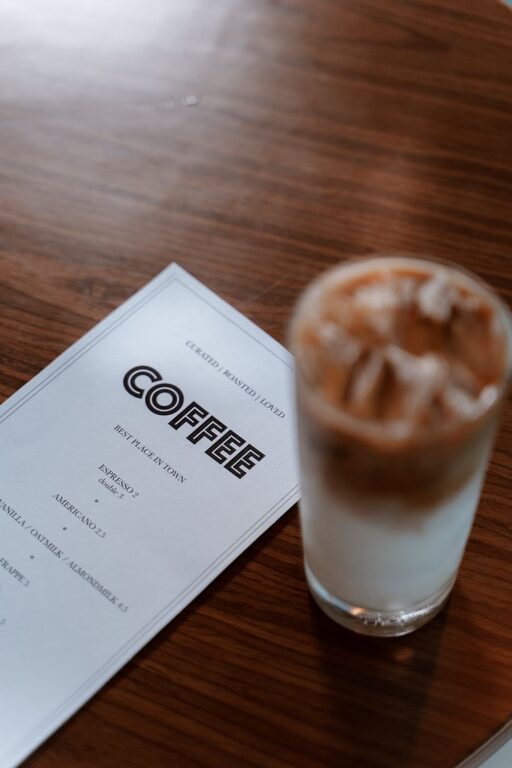
Because cold brew is served chilled, it also works well in layered drinks. Baristas can combine ingredients with different colors, textures, and densities to create beverages that are appealing both in the cup and in photographs.
New Takes on Familiar Favorites
Many specialty cafes begin by reworking classic coffee drinks. A cold brew latte, for example, may include a house-made vanilla syrup, a layer of cold foam, or a dusting of cocoa. These small additions can make a familiar drink feel new without changing its basic appeal.
Some popular menu variations include:
Cold Brew With Flavored Foam
Cold foam adds a light, creamy texture without making the drink feel as heavy as a traditional milk-based beverage. Cafes are flavoring foam with ingredients such as vanilla, honey, maple, mocha, or seasonal spices.
The foam also creates a visual contrast when it floats above the darker coffee. Customers can enjoy it as a topping or mix it into the drink for a softer flavor.
Cold Brew Spritzers
A cold brew spritzer combines coffee with sparkling water, ice, and a flavored syrup or fruit component. Orange, lemon, and grapefruit are common choices because their bright acidity can balance the deep flavor of coffee.
These drinks are especially appealing during warmer months. They offer the refreshment of a sparkling beverage while keeping coffee at the center of the experience.
Creamy Cold Brew Blends
Some cafes are creating richer drinks by blending cold brew with milk, cream, coconut milk, or oat milk. A small amount of sweetener can round out the flavor, while ingredients such as cinnamon, cocoa, or toasted sugar add depth.
The goal is not always to make a dessert-like beverage. Many shops focus on keeping the coffee noticeable while using creamy ingredients to create a smoother, more rounded cup.
Seasonal Ingredients Add Variety
Seasonal menus give coffee shops a way to keep cold brew interesting throughout the year. In spring and summer, drinks may feature berries, citrus, mint, or floral flavors. Fall menus often highlight apple, maple, cinnamon, and toasted spices. Winter offerings may include chocolate, peppermint, or rich caramel.
Using seasonal ingredients can also help cafes create a stronger connection with their local communities. A drink made with regional honey, local fruit, or a house-made syrup can feel more personal than a standard menu item.
Seasonal cold brew ideas might include:
– Strawberry and basil cold brew
– Orange vanilla cold brew spritzer
– Maple cinnamon cold brew
– Coconut cream cold brew
– Blackberry mint cold brew
– Spiced chocolate cold brew
These combinations give customers a reason to return and try something different as the menu changes.
The Role of House-Made Ingredients
Many specialty coffee shops are preparing more ingredients in-house. Homemade syrups, fruit purees, flavored creams, and spice blends allow cafes to control the flavor and create a more distinctive menu.
House-made ingredients can also support a shop’s identity. One cafe may be known for bright fruit flavors, while another may focus on rich dessert-inspired drinks or subtle botanical notes.
In addition, in-house preparation gives baristas more flexibility. They can adjust sweetness, texture, and strength based on the coffee being used. A cold brew made from a fruit-forward coffee may pair well with citrus, while a chocolatey roast may work better with caramel or toasted spices.
Beyond Sweet Flavors
Creative cold brew menus are not limited to sugary combinations. Some cafes are exploring savory, herbal, and lightly bitter flavors to create more balanced drinks.
Ingredients such as rosemary, basil, sea salt, black tea, and tonic water can add complexity without overwhelming the coffee. A lightly salted cream, for example, may highlight the natural sweetness of cold brew. Herbal syrups can add aroma while keeping the drink refreshing.
These options are useful for customers who prefer less sweetness. They also show how cold brew can be treated as a crafted beverage rather than simply a chilled version of regular coffee.
Presentation Becomes Part of the Experience
The appearance of a cold brew drink has become an important part of its appeal. Clear cups can showcase layers of coffee, milk, foam, and syrup. A citrus wheel, fresh herb, spice dusting, or colorful fruit garnish can add a finishing touch.
Good presentation does more than make a drink attractive. It helps communicate what customers can expect from the flavor. A visible layer of vanilla foam suggests a creamy texture, while sparkling bubbles signal a lighter and more refreshing beverage.
Still, presentation works best when it supports the drink rather than replacing flavor. Specialty cafes are finding ways to make their beverages visually interesting while keeping quality and balance at the center.
Cold Brew Menus Encourage Exploration
A broader cold brew menu gives customers more ways to explore coffee. Someone who usually orders a sweet iced beverage may try a fruit-based cold brew spritzer. A customer who prefers black coffee may enjoy a lightly flavored version with sparkling water or herbs.
For cafes, these drinks can also create opportunities to introduce different coffee beans and brewing styles. Baristas can explain how the coffee’s natural notes work with specific ingredients, helping customers understand the choices behind each recipe.
This educational element adds value to the cafe experience. Customers are not simply ordering a cold drink; they are discovering new combinations and learning more about coffee along the way.
What to Expect Next
As specialty coffee shops continue to expand their menus, cold brew is likely to remain a popular platform for experimentation. Future offerings may include more nontraditional ingredients, rotating tasting flights, and customizable options for sweetness, milk, and flavor.
The most successful drinks will likely combine creativity with balance. A cold brew beverage should still taste like coffee, while added ingredients should bring out new qualities rather than hide the base flavor.
For customers, this trend means more choices and more reasons to visit a local cafe. Whether the preference is creamy, sparkling, fruity, spicy, or simply smooth and black, today’s cold brew menus offer plenty of ways to enjoy a familiar favorite in a new form.