
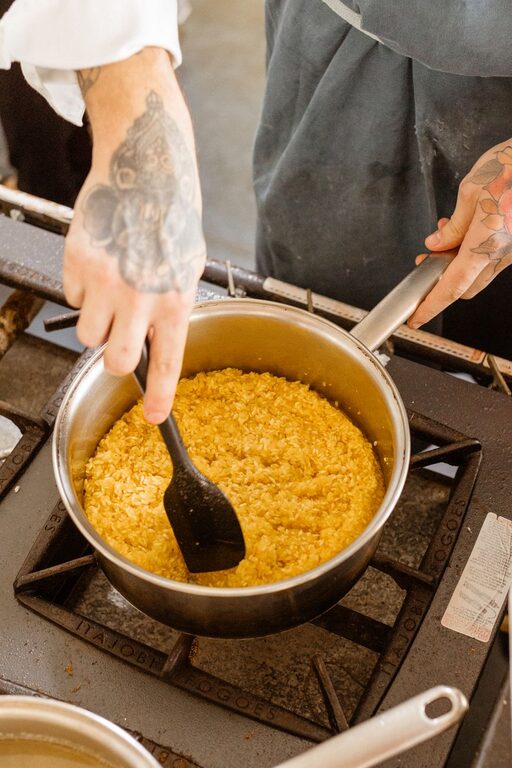
For years, grains have often appeared as supporting ingredients: a side dish beneath roasted vegetables, a base for a bowl, or a component in bread and baked goods. Now, chefs are changing that role. Regional grain varieties are becoming the centerpiece of new dishes, bringing distinctive flavors, textures, and stories to the table.
From heirloom rice and ancient wheat to locally grown corn, barley, millet, and rye, these grains offer more than nutritional value. They can shape the identity of a dish. Their color, aroma, cooking time, and texture give chefs new ways to create memorable meals while drawing attention to local food traditions.
Why Regional Grains Are Gaining Attention
A regional grain is closely connected to a particular place. It may be grown in a specific climate, preserved by local farmers, or used in traditional cooking. Some varieties have been cultivated for generations, while others are newer crops selected for their ability to thrive in local conditions.
Chefs are interested in these grains for several reasons:
– Distinctive flavor: Some grains have nutty, earthy, sweet, or lightly grassy notes.
– Interesting texture: A grain may be chewy, creamy, crisp, or pleasantly firm.
– Visual appeal: Red rice, black barley, blue corn, and golden millet can add color to a plate.
– Culinary history: Regional grains connect modern dishes with traditional foodways.
– Menu creativity: Less familiar ingredients encourage chefs to develop new techniques and combinations.
Rather than treating grains as interchangeable, chefs are learning how each variety behaves in the kitchen. This approach allows the grain itself to guide the dish.
From Side Dish to Main Attraction
The biggest change is the way grains are presented. Instead of placing a spoonful of cooked grain beside a main course, chefs may build an entire dish around it.
A bowl of heirloom rice might be paired with roasted vegetables, a bright herb sauce, and toasted seeds. A creamy barley preparation can take the place of a familiar risotto. Coarsely ground corn may become a soft base for seasonal vegetables, mushrooms, or grilled seafood.
These dishes often follow a simple structure:
- **Choose a characterful grain.**
- **Cook it in a way that highlights its natural texture.**
- **Add contrasting flavors and colors.**
- **Finish with fresh herbs, sauces, or crunchy toppings.**
This structure gives grains room to stand out while keeping the final dish balanced.
Exploring the Flavor of Local Rice
Rice varieties differ greatly in size, color, aroma, and texture. Chefs are using regional types to move beyond the familiar white rice served as a neutral accompaniment.
Short-grain rice can become creamy when cooked slowly, making it useful in savory porridge or risotto-style dishes. Long-grain rice may remain light and separate, which works well in pilafs and grain salads. Aromatic varieties can add fragrance without requiring heavy seasoning.
Colorful rice varieties can also serve as a visual focus. Red and black rice bring deep tones to salads, bowls, and vegetable dishes. Their firmer texture often works well with roasted ingredients and sharp dressings.
To bring out the best in regional rice, chefs may:
– Toast the grains briefly before cooking
– Use broth or herb-infused water
– Add the grains to salads after cooling
– Finish with citrus, fresh herbs, or toasted nuts
– Combine soft ingredients with crisp toppings
The goal is not to hide the grain but to make its natural qualities easy to notice.
Wheat Beyond Standard Flour
Wheat is commonly associated with bread and pasta, but regional wheat varieties are also finding new uses. Heritage wheat can have a fuller flavor and a different texture from modern, widely available types.
Chefs may use it in several forms:
Whole wheat berries
Cooked wheat berries have a firm, chewy texture. They can be served warm with roasted vegetables or chilled in salads with fruit, herbs, and a light dressing.
Cracked wheat
Cracked wheat cooks more quickly and can be used in pilafs, stuffings, or savory breakfast dishes. It adds texture without overpowering other ingredients.
Freshly milled flour
Freshly milled flour can bring a stronger aroma to breads, flatbreads, cakes, and pastries. Some chefs use it in simple recipes so the grain’s flavor remains noticeable.
Regional wheat can also add character to pasta. Hand-cut noodles made with flavorful flour may require little more than butter, herbs, or a seasonal vegetable topping.
Corn, Barley, Millet, and Rye
While rice and wheat receive much attention, other grains are also becoming central to creative menus.
Corn can be ground into grits, polenta, or masa. Chefs may use different corn varieties to create dishes with varied colors and levels of sweetness. Fresh corn, toasted corn kernels, and fermented corn preparations can add several layers of flavor to one plate.
Barley is valued for its chewy texture and hearty flavor. It works in soups, salads, pilafs, and creamy dishes. Barley can also be toasted before cooking to deepen its flavor.
Millet has a light, gently sweet taste. When cooked with less liquid, it can remain fluffy; with more liquid, it can become soft and porridge-like. It pairs well with roasted squash, leafy greens, fruit, and warm spices.
Rye offers a bold, earthy flavor. It is often used in bread, but whole rye berries and rye flour can also add depth to salads, crackers, dumplings, and savory baked dishes.
Techniques That Put Grains First
Cooking technique has a major effect on how a grain tastes and feels. Chefs are using familiar methods in new ways to highlight regional varieties.
– Toasting: Briefly toasting grains can bring out nutty aromas.
– Steaming: This method helps preserve a distinct, separate texture.
– Slow cooking: Longer cooking times can create creamy, spoonable dishes.
– Popping: Some grains can be puffed or popped for a crisp topping.
– Grinding: Coarse or fine grinding changes how grains work in porridges, doughs, and batters.
– Fermenting: Fermentation can add tang and complexity to grain-based mixtures.
– Pressing or shaping: Cooked grains can be formed into cakes, patties, or crisped portions.
These methods allow one grain to appear in several forms within the same dish. For example, a chef might serve creamy barley with toasted barley and a crisp barley garnish.
Building a Balanced Grain-Centered Dish
A grain-focused dish still needs contrast. Chefs often combine several elements to prevent the meal from feeling flat or heavy.
A useful balance may include:
– A cooked grain for substance
– A vegetable or fruit for freshness
– A sauce for moisture
– Herbs or spices for aroma
– Nuts, seeds, or crisp vegetables for texture
– A small amount of acidity, such as citrus or vinegar
Seasonal produce can help complete the dish. A warm wheat berry salad may pair with roasted carrots in winter, while chilled rice with cucumbers and herbs may suit warmer weather.
The most successful combinations respect the grain’s natural character. Delicate millet may be overwhelmed by a very strong sauce, while robust rye can stand up to bold flavors.
Connecting Modern Menus With Tradition
Using regional grains is also a way to preserve culinary knowledge. Traditional dishes often provide a starting point, but chefs may update them through presentation, technique, or ingredient pairings.
A classic grain porridge can become a refined starter. A familiar corn cake may be served with seasonal vegetables. A traditional rice dish may be reimagined as a salad, soup, or baked entrée.
This approach keeps older ingredients relevant without treating tradition as fixed. It also gives diners an opportunity to discover the everyday foods of different communities through a modern menu.
What Diners Can Expect Next
As chefs continue exploring regional grains, diners may see more grain-based entrées, tasting-menu courses, bakery items, and desserts. Restaurants may list the specific variety or growing region on the menu, much as they already do with produce and other specialty ingredients.
At home, cooks can follow the same trend by trying one unfamiliar grain at a time. Start with a simple preparation, such as a pilaf or grain salad, and pay attention to the grain’s texture and flavor. From there, it becomes easier to build more creative dishes.
Regional grains are proving that a humble staple can be the foundation of a memorable meal. With careful cooking and thoughtful pairings, they can bring history, local character, and fresh ideas to the center of the plate.