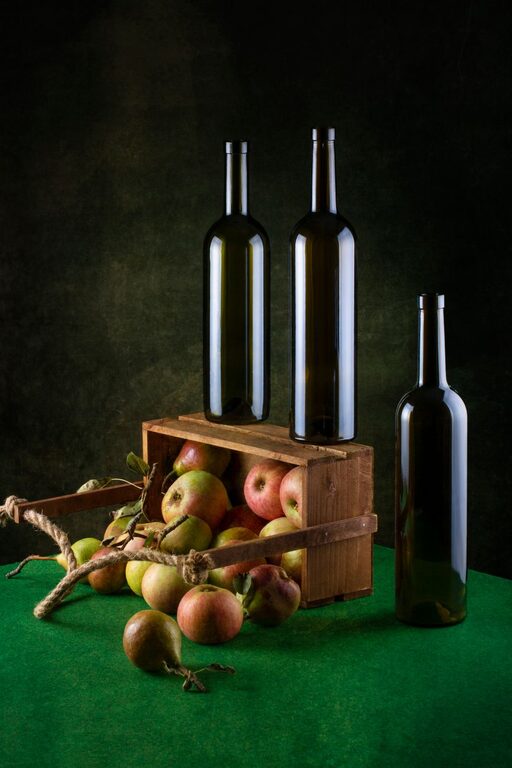
Cider makers are releasing new blends that combine native and heritage apples with familiar commercial varieties. The result is a wider range of flavors, aromas, and textures for cider drinkers to explore.
These blends are also drawing attention to the history of apple growing. Many older apple varieties were once common in regional orchards but became less widely planted as the industry focused on a smaller group of dependable, widely available apples. Today, growers and producers are working to bring some of those varieties back into the spotlight.
What makes native and heritage apples different?
The terms “native” and “heritage” can describe different kinds of apples, although their meanings may vary by region.
Native apples are varieties that originated in a particular area or became closely associated with its growing traditions. Some may have developed naturally over time, while others were selected and cultivated by local growers.
Heritage apples are older varieties that have been grown for generations. They may have been used for eating, cooking, storing, or making cider. Unlike many modern supermarket apples, heritage varieties can differ greatly in size, color, shape, and flavor.
Some heritage apples are sweet and fragrant, while others are sharp, bitter, or highly acidic. Certain varieties may contribute tannins, which create a dry, slightly grippy feeling in the mouth. Others bring floral aromas, spice notes, or a long finish.
That variety makes them especially useful for blending.
Why blending matters in cider
A single apple variety can produce an interesting cider, but blending allows makers to balance different characteristics. One apple may provide fresh acidity, while another adds sweetness or body. A third can contribute aroma, color, or tannin.
A well-planned blend may include:
– Sweet apples for natural fruit flavor and roundness
– Acidic apples for brightness and freshness
– Bittersharp varieties for structure and a dry finish
– Aromatic apples for floral, tropical, or spicy notes
– Heritage varieties for regional character and complexity
Blending is not simply a way to combine available fruit. Cider makers often test different proportions before deciding on a final recipe. Small changes can affect the cider’s aroma, texture, color, and balance.
Some producers release several versions of a blend to show how different apples influence the final drink. Others create seasonal releases based on the varieties available from nearby orchards.
A return to overlooked orchard varieties
Many heritage apples are not ideal for large-scale supermarket sales. They may bruise easily, ripen at different times, or have unusual shapes. Some also produce smaller crops than newer commercial varieties.
For cider, however, these traits are not always disadvantages. Fruit that is difficult to sell as fresh produce may still be valuable to a cider maker. Apples with strong acidity or tannin can be important ingredients, even if they do not look uniform.
This gives growers another reason to maintain older trees and plant less common varieties. It can also help preserve local orchard knowledge, including information about when to harvest, how to store the fruit, and which varieties work well together.
How new blends are developed
Creating a cider blend often begins in the orchard. Producers may track the condition of each variety throughout the growing season and test fruit as it approaches maturity.
After harvest, the apples are sorted and pressed. The juice from each variety may be fermented separately so the maker can evaluate its individual qualities. Once fermentation is complete, the ciders can be blended in different combinations.
Cider makers may consider:
Flavor and aroma
The blend should have a clear and appealing character. Some makers look for fresh apple aromas, while others aim for notes of flowers, citrus, spice, or baked fruit.
Acidity
Acidity helps cider taste lively rather than flat. Too little can make a cider seem heavy, while too much may overpower other flavors.
Tannin
Tannin adds structure and can support a dry finish. It may be subtle or more noticeable, depending on the apple varieties and the style of cider.
Texture
The right blend can feel crisp, smooth, full, or lightly sparkling. Fermentation methods and carbonation also influence the final texture.
Aging potential
Some ciders are intended to be enjoyed soon after release. Others may develop additional depth with time. The blend, alcohol level, acidity, and storage method all play a role.
What drinkers can expect from the new releases
Ciders made with native and heritage apples may taste different from familiar, sweet, fruit-forward products. Many are designed to show the character of the apples rather than hide it.
Possible flavor notes include:
– Tart green apple
– Dried fruit
– Wildflowers
– Citrus peel
– Baking spices
– Honey
– Earthy or woody tones
– A dry, tannic finish
The exact profile depends on the apple varieties, growing conditions, fermentation process, and amount of sweetness left in the finished cider.
Some blends may be bright and crisp, making them suitable for warm-weather gatherings. Others may be richer and more structured, pairing well with roasted vegetables, sharp cheeses, grilled foods, or desserts made with apples and pears.
Supporting local orchards
The renewed interest in older apple varieties can benefit more than cider drinkers. It may create new markets for small orchards and encourage growers to preserve trees that might otherwise be removed.
Cider production can also make use of a broader range of fruit. Apples that are too small, irregular, or marked for retail display may still be suitable for pressing. This can help reduce waste while giving growers more flexibility during harvest.
For cider makers, buying from regional orchards can strengthen relationships with farmers and provide access to varieties that are not available through large supply chains. Over time, these partnerships may lead to new plantings and more reliable supplies of heritage apples.
How to choose a heritage apple cider
When trying a new blend, start by reading the producer’s description. Look for information about the apple varieties, sweetness level, carbonation, and production area.
If the label names specific apples, consider what role each one may play. An acidic variety may add freshness, while a tannic variety may create a drier finish. Some producers also explain whether the cider was aged in wood, fermented with native yeast, or bottled with natural carbonation.
For a simple tasting, serve the cider chilled but not extremely cold. Pour a small amount into a glass and notice its aroma before tasting. Then consider its sweetness, acidity, texture, and finish.
Trying several blends side by side can make the differences easier to recognize. A cider made mostly from sharp apples may seem crisp and light, while one with more tannic heritage varieties may feel fuller and more structured.
A growing tradition with a modern audience
New blends featuring native and heritage apples connect current cider making with older orchard traditions. They give producers more creative options, offer growers new opportunities, and introduce drinkers to flavors that may have been overlooked for decades.
As more cider makers experiment with regional fruit, the category is likely to become even more varied. Each blend can tell a different story about its orchard, climate, and community while offering a fresh way to enjoy one of the world’s oldest fruit beverages.